
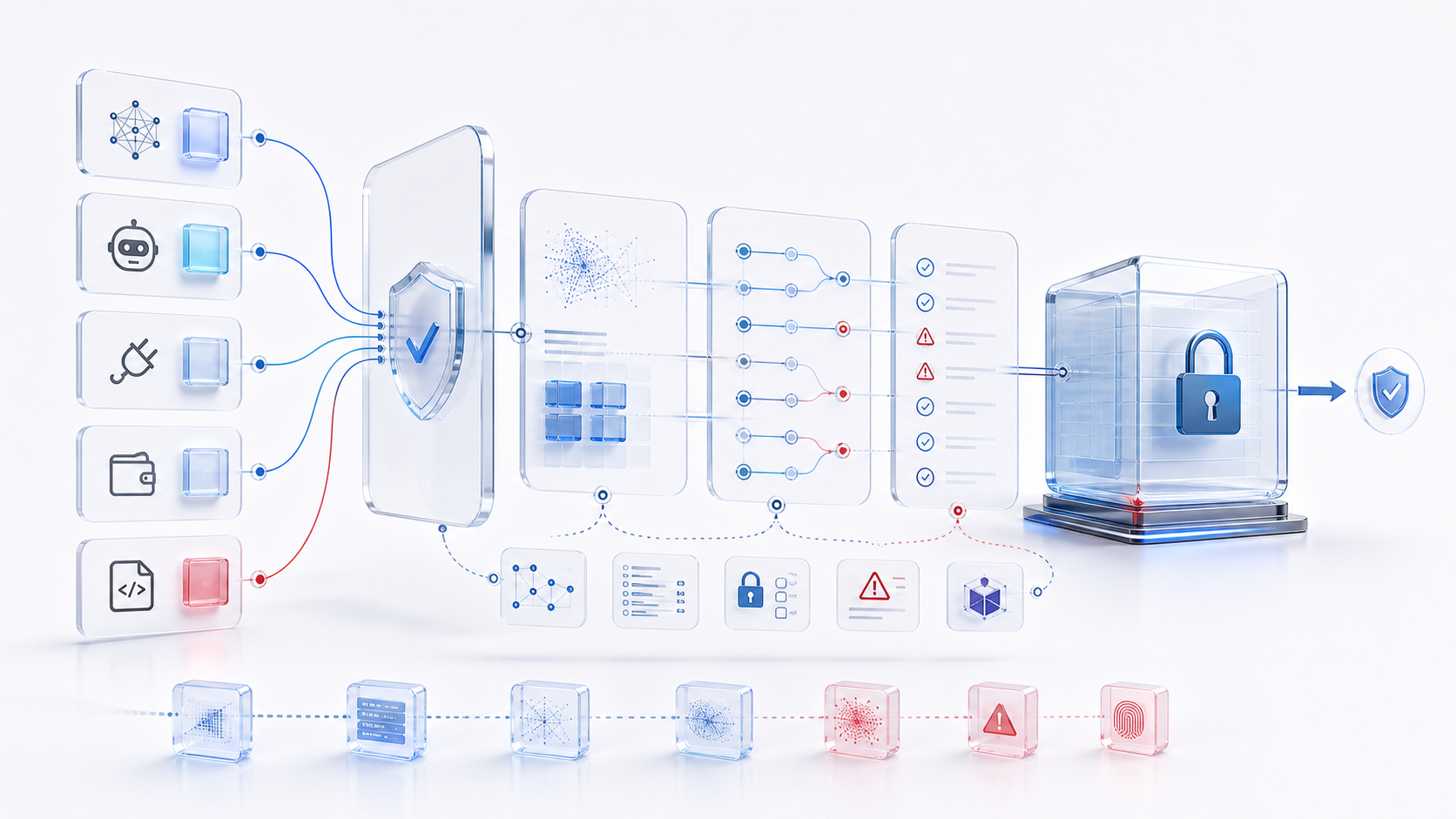
CertentiScan is entering final review with its core stack in place
After more than six months in the making, CertentiScan is no longer just a build effort. The product is moving through its final pre-launch review with the legal go-ahead as the last gate, but the important point is the stack that now needs to be reviewed carefully before the next public step.
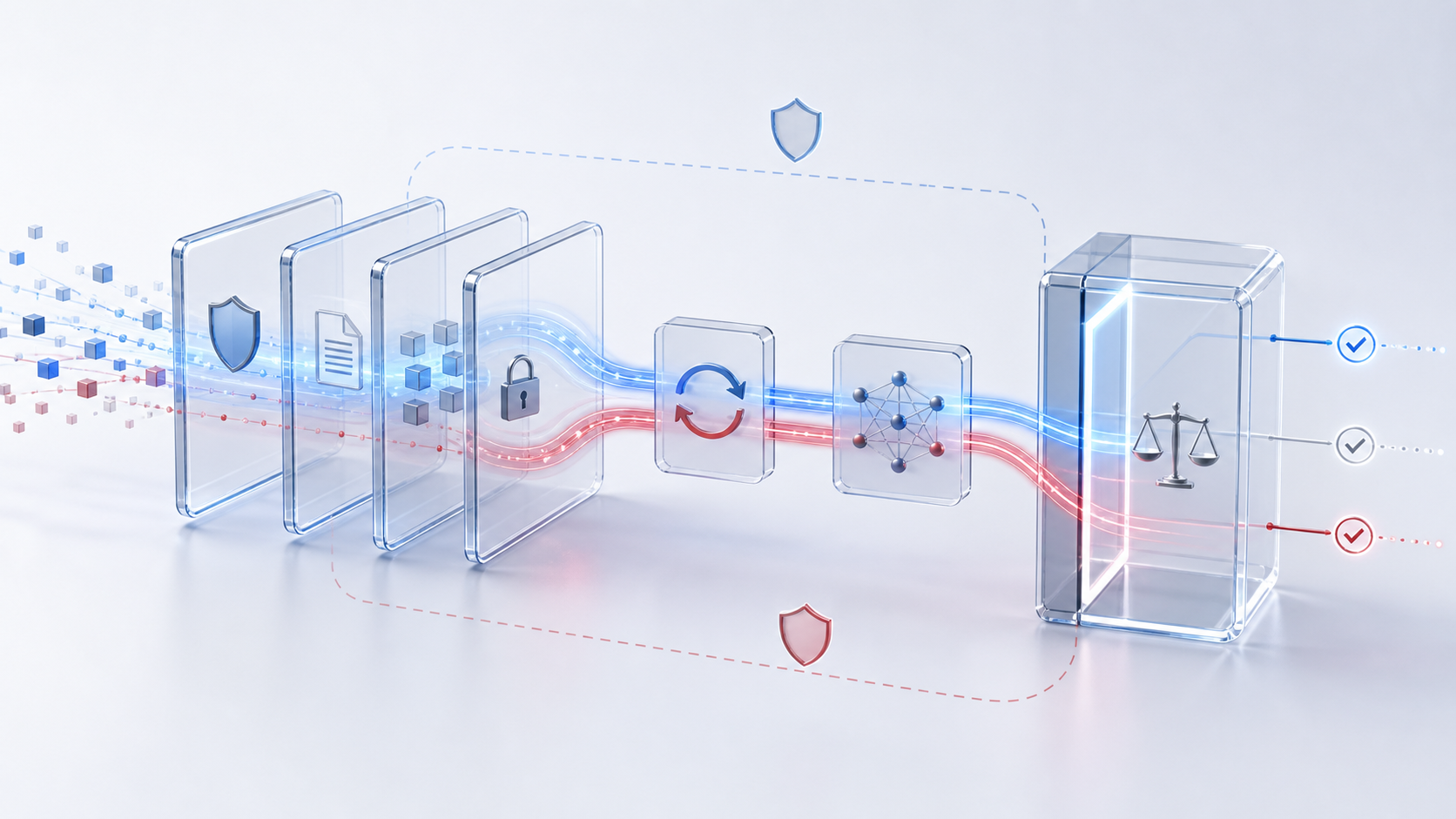
Scoped validation before claims are made
CertentiScan is being prepared as a proof-first validation workspace for assets that need careful security review: apps, agents, packages, MCP tools, wallet flows, and smart contracts. The product language is deliberately centered on authorized scope, evidence, and reviewable findings, not broad claims that cannot be backed up.
Evidence, replay, and review discipline
The core workflow is designed around evidence capture, replay-backed validation where available, finding context, impact, recommendations, and repeatable checks. The aim is to make validation work easier to inspect and harder to overstate. A result should be tied back to scope, proof, and the controls that produced it.
AI-assisted, but not AI-final
CertentiScan may use AI to classify signals, summarize findings, draft fix prompts, explain risks, and route validation work. That support is useful, but it does not replace review. AI output can be incomplete or wrong, so the product keeps the emphasis on validation, evidence, and human decision boundaries.
Workflow access and public trust surfaces
The public CertentiScan materials already point to several important surfaces: dashboard validation work, provider connections and revocation controls, public trust and status pages, verification views, resources, and MCP-style workflow access for structured scan and finding operations. These are product surfaces that need clear operating rules before wider access.
Why the legal go-ahead still matters
The legal review matters because CertentiScan touches sensitive territory: security evidence, connector permissions, customer-controlled assets, AI-assisted summaries, public verification language, and claims about validation. Burhuc wants the product to move forward only when the wording, boundaries, and operating model are ready to be defended.
The next step is controlled access, not noise
Once the legal go-ahead is clear, the next communication can focus on access: what opens first, who it is for, and which validation paths are ready to be used. Until then, the work stays focused on release discipline rather than launch noise.
Follow the product
Visit the CertentiScan site while the final pre-launch review continues.
Visit CertentiScan